Watch
Physical underground cities and tunnel systems verified by archaeology. The question is not whether underground civilizations existed — it is how many remain undiscovered. Cappadocia alone may have 200+ cities beneath its surface.
Every major civilization describes intelligent beings living beneath the earth. Not ghosts. Not demons. Civilizations — with kingdoms, technology, social structures, and their own agendas. The Nagas have palaces of gems. The Tuatha De Danann have mound-kingdoms. The Ant People have tunnel cities.
Multiple unrelated cultures describe humanity as originating inside the earth and ascending through multiple worlds to reach the surface. The earth is not a stage we were placed on — it is a womb we emerged from. Every Pueblo kiva contains a sipapu: a hole in the floor marking the original emergence point.
Mining cultures on different continents recorded the same spiritual economy: underground spirits possess knowledge of hidden wealth and trade it for offerings, and the greedy are punished. The Cornish Knocker takes a tenth of the ore, the Andean Muqui half. Some of the likeness has a traced route: Hunt (1865) already equated the Knockers with the German “Kobals,” and the Church and Spanish miners carried European mine-demon beliefs to the Andes. Some has a physical one: failing rock gives off audible cracks before a fall. And each tradition gives its own account. All three explanations are laid out here; none is chosen for you.
Pre-Christian underground realms are not hells. Hindu Patala is described as more beautiful than heaven. The Egyptian Duat is a transformation engine. The Chinese Diyu is a bureaucratic purgatory with appeals courts. The "underground = punishment" framework is a later overlay.
Legends, theories, and research that push beyond conventional archaeology. From Agartha to the Farsight Institute, from Admiral Byrd to Tolkien — these traditions carry forward the underground archetype into modern culture. Assessed with both openness and critical rigor.
When unrelated cultures on different continents independently develop the same narrative structures, the convergence demands explanation. These are not borrowings. They are emergent patterns — the same signal detected by different receivers.
The Synthesis
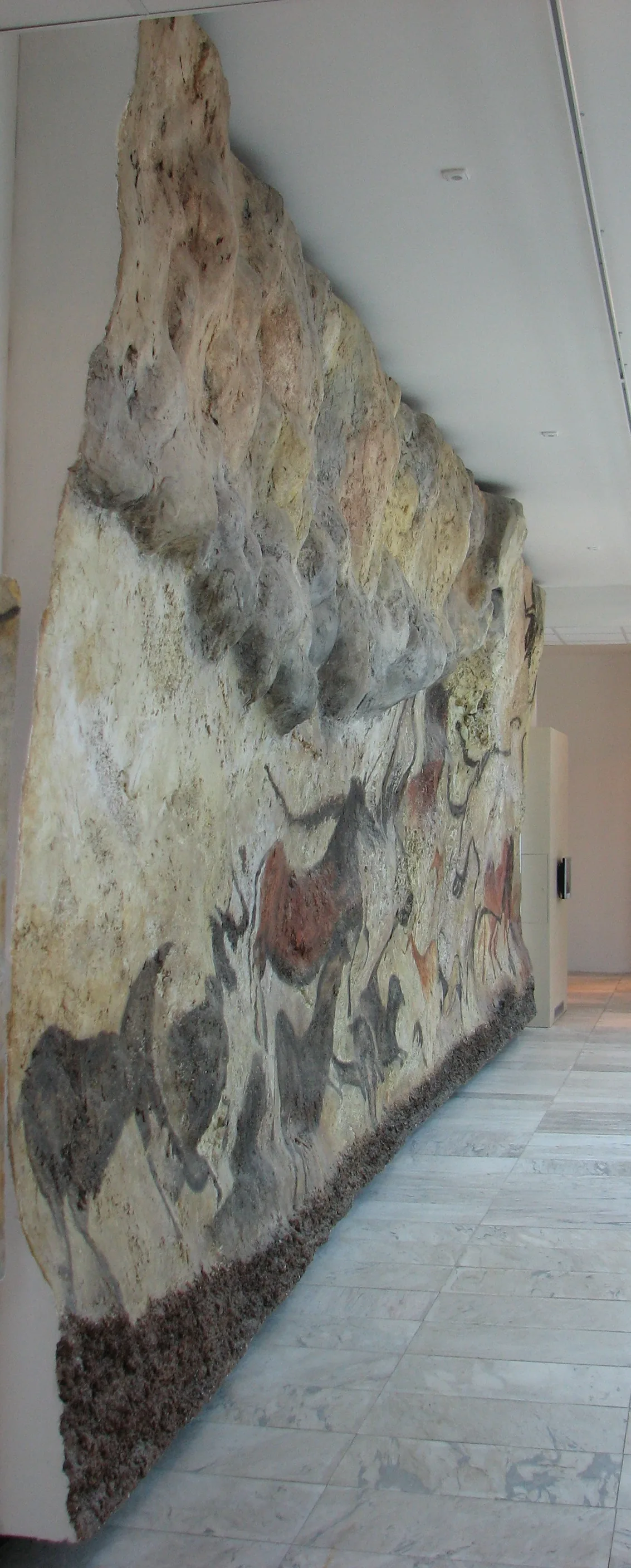
The underground is humanity's oldest shared memory. Before writing, before cities, before agriculture — humans lived in caves. The myths are not fantasies. They are the cultural DNA of a species that spent its formative millennia inside the earth.
The 200+ underground cities of Cappadocia, the 2,000+ Erdstall tunnels, the 7,000-year-old yaodong of China, the freshly confirmed Inca tunnels beneath Cusco — these are not anomalies. They are the archaeological residue of a pattern every culture on Earth remembers.
"The oldest weapon on Earth is the hoarding of knowledge. The second oldest is the burial of evidence."
Every culture remembers. Not all remember the same way.