
The Library
Five doors · 44 rooms · every claim tiered
Who issues it, who clears it, and what the record shows when the terms were tested.
- 1The Federal ReserveThe institution the rest of the path keeps returning to: what it is, dated, with its sources.
- 2Bank for International SettlementsThe central banks’ own bank, founded to move German reparations, still clearing between them.
- 3The US dollarFrom gold receipt to reserve currency: the steps, each with its year.
- 4US–Saudi relationsThe 1974 arrangement as the record shows it, the “petrodollar system” marked contested, with the rebuttal on the card.
- 5BlackRockWhere ownership concentrates now, and what is and is not known about what that means.
- 6The Static State of ChangeThe paper that tested the money-and-cycles thesis and reports what failed: proposed 0.68, measured 0.075.
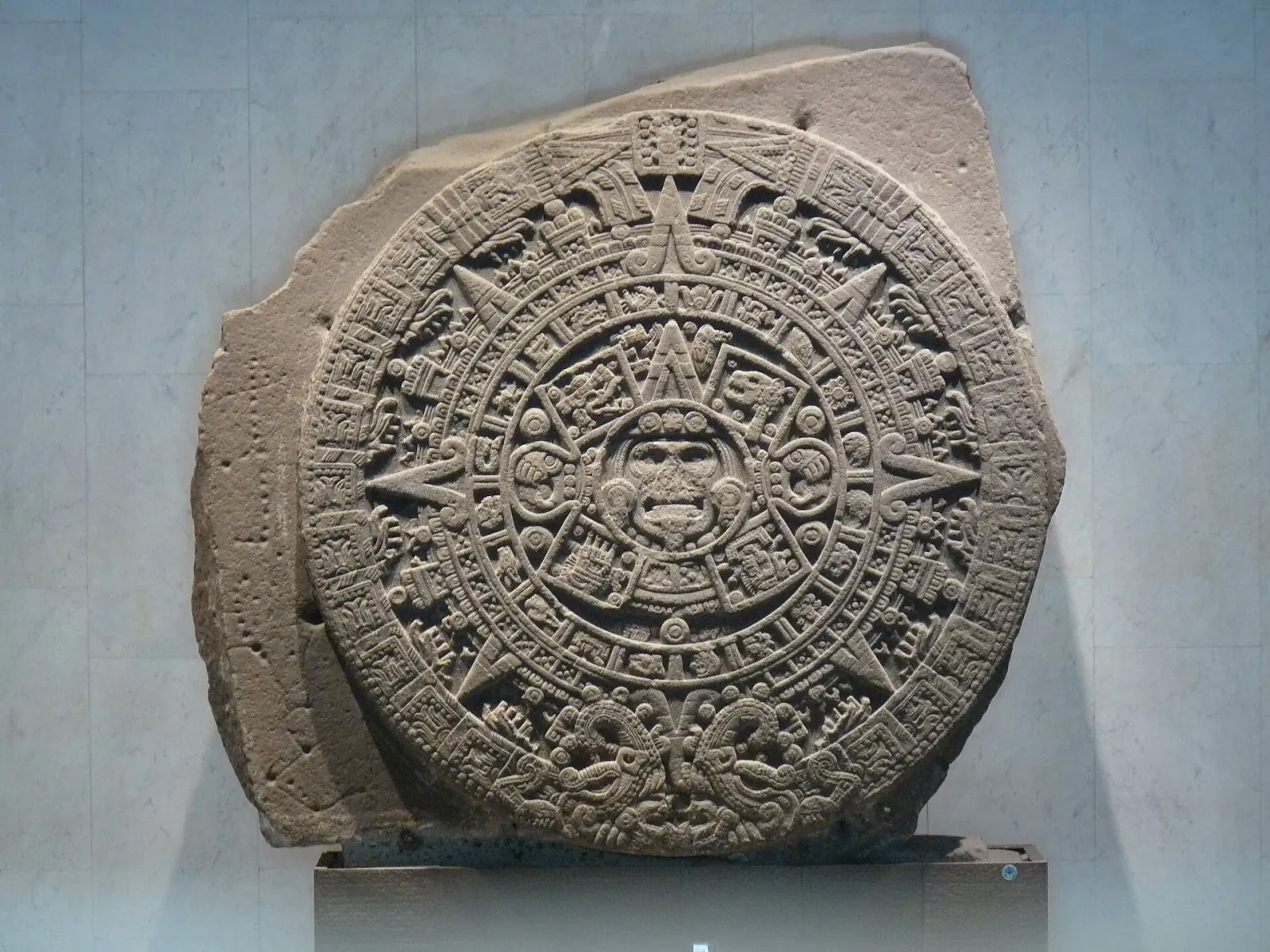
Tenochtitlan
The Mexica, Through Their Own Record
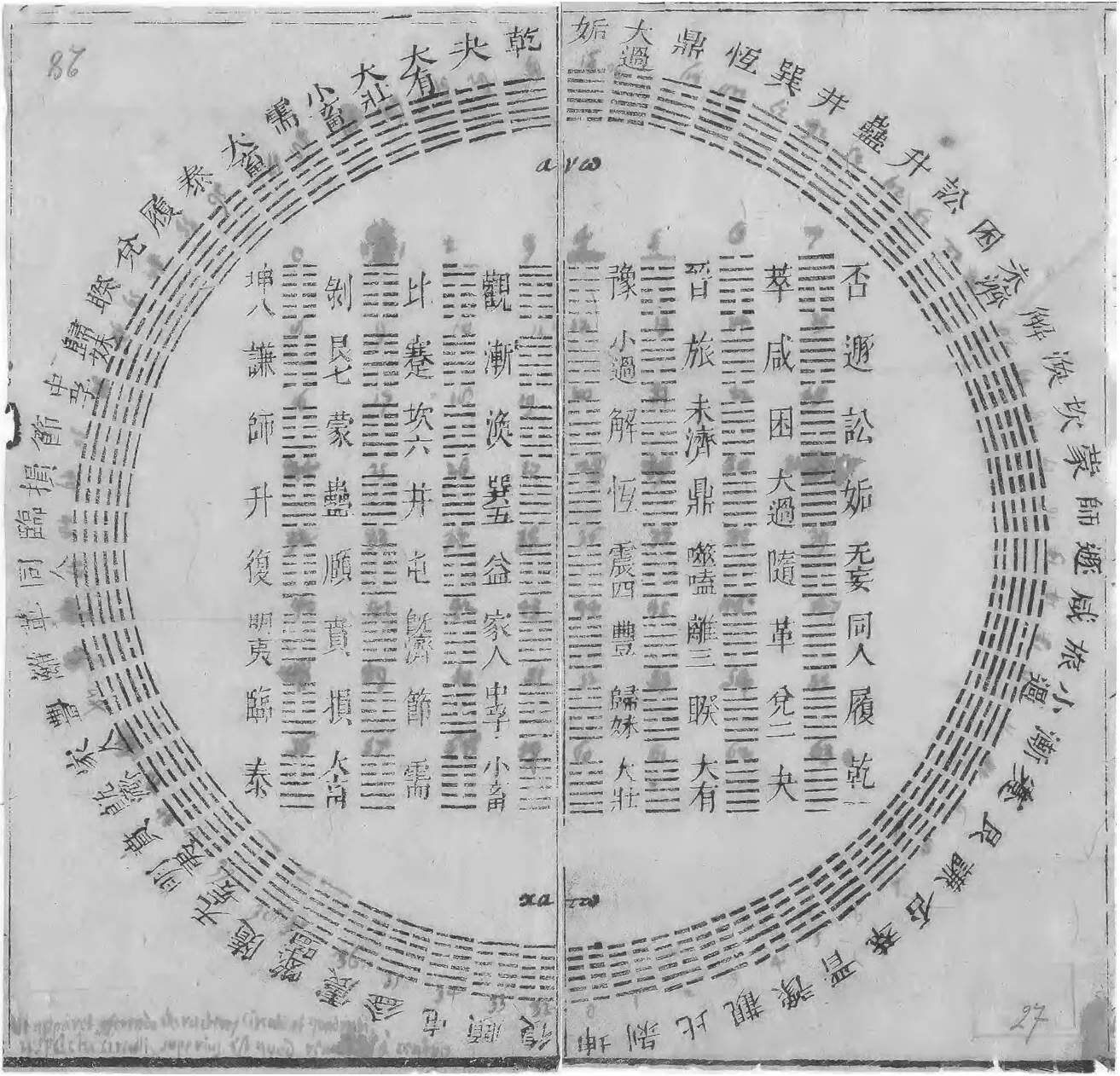
Six Ways to Seek Meaning
I Ching, Ifá, Runes, Tarot, the 260-Day Count, the Yantra
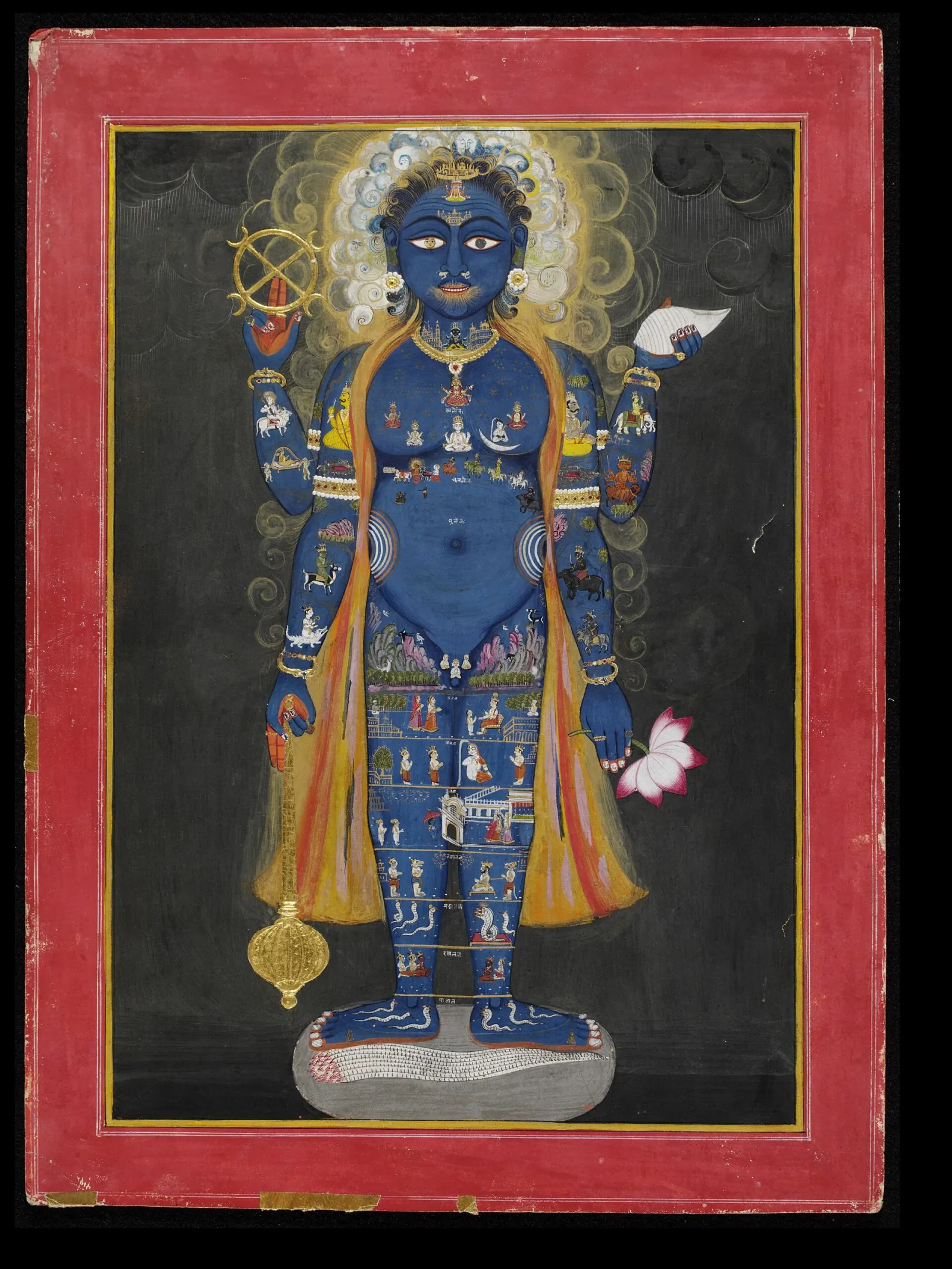
The Instrument
What the Vedic Texts Say About the Receiver
Crypto Occult Origins
Founding Cycles, Symbolism and Sacred Timing
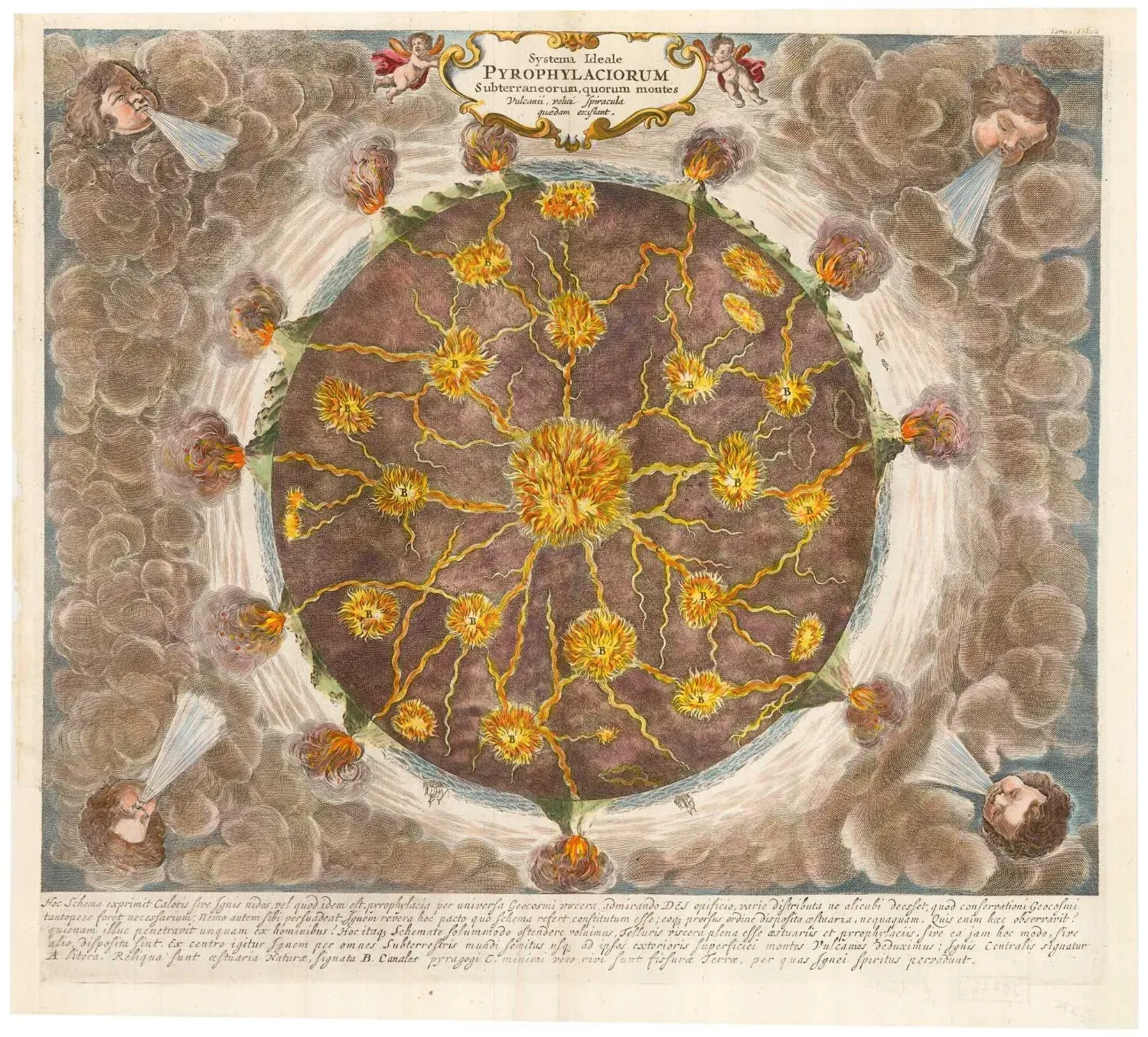
Underground Worlds
Cross-Cultural Subterranean Traditions
The Static State of Change
UET Research (2026) — Foundational Theory
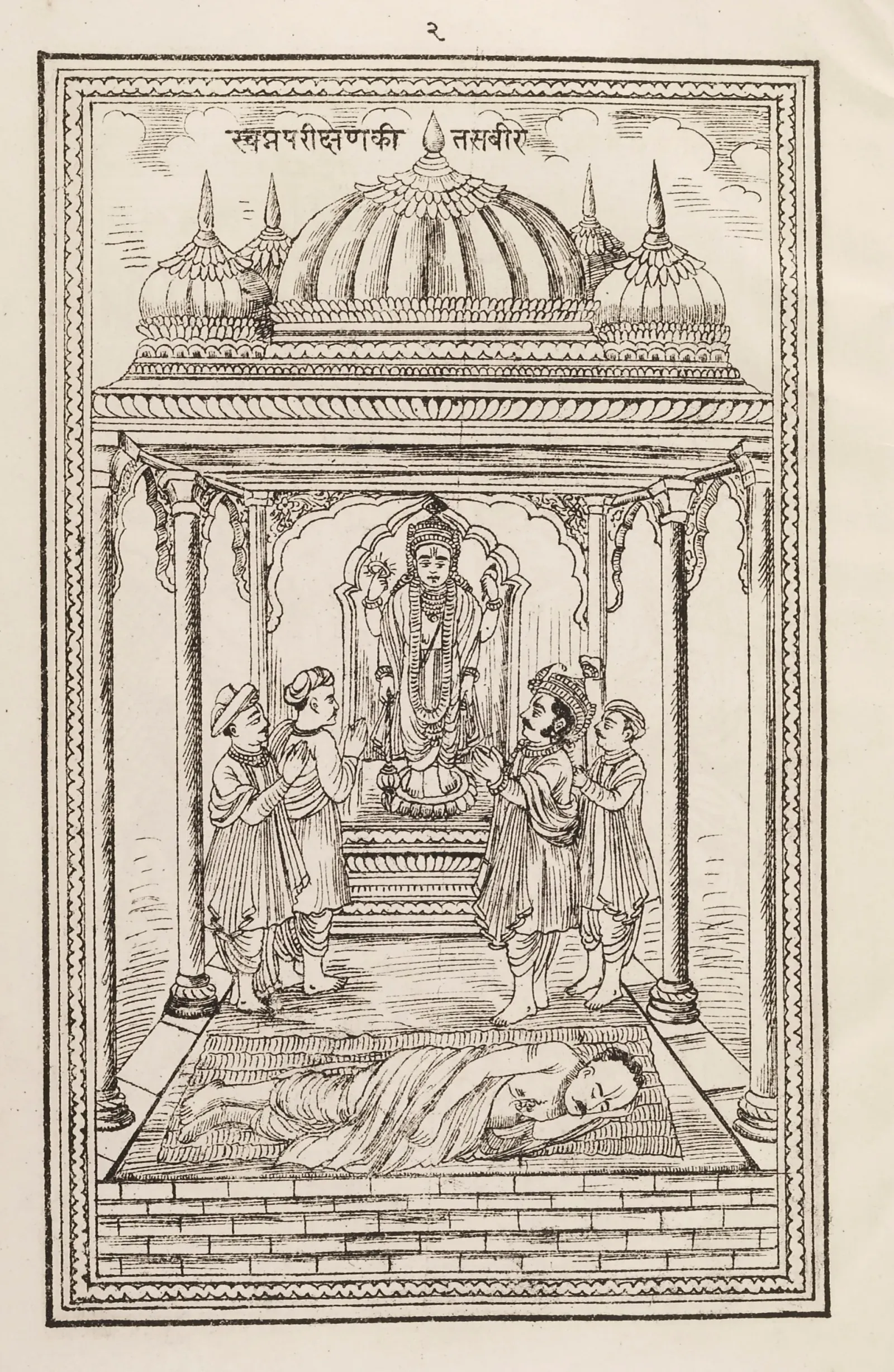
The Second Spring
Anthropological Medicine for Life Transitions
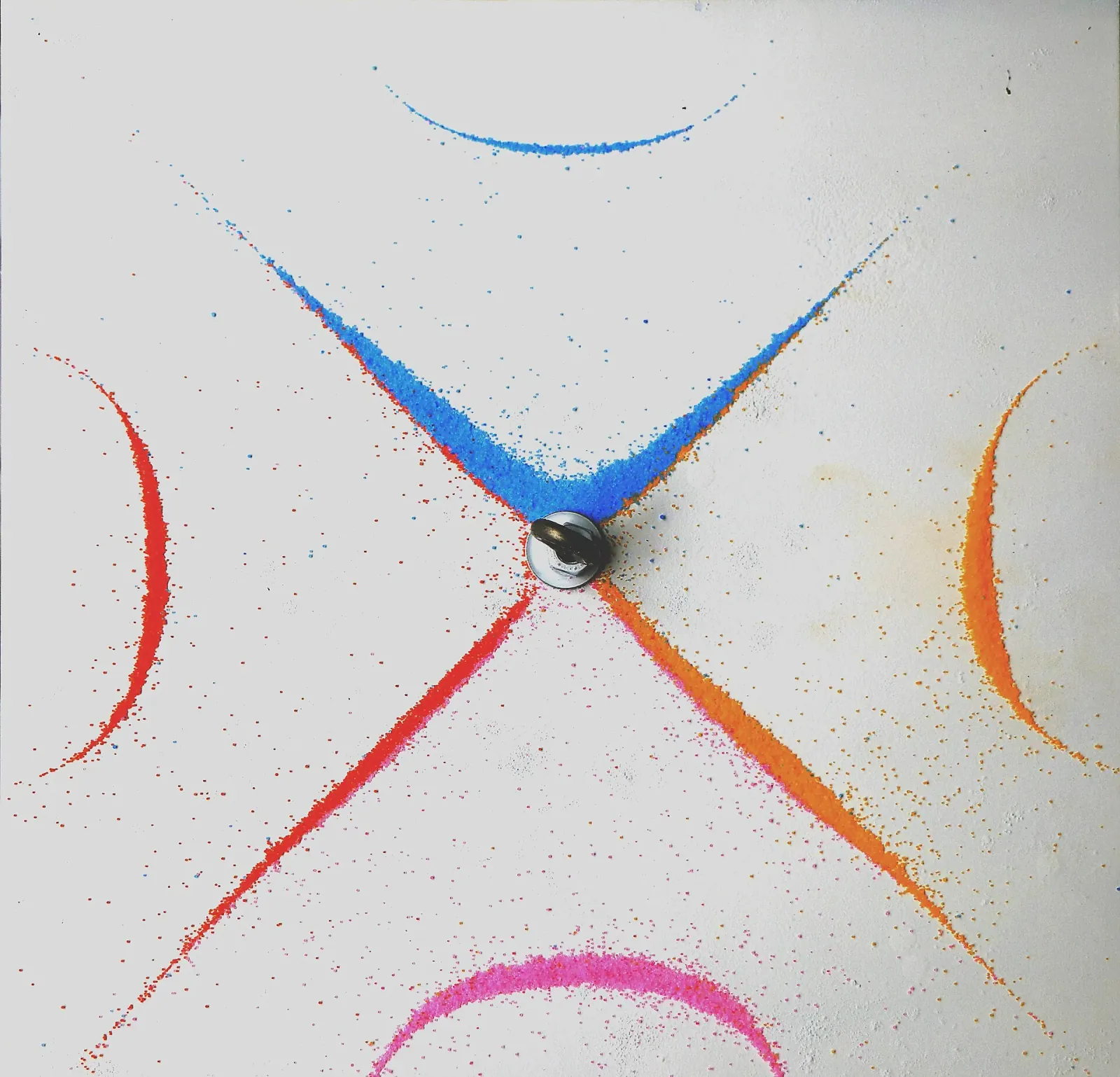
Cymatics
Sound Made Visible — Live Interactive
Follow the Money
Who Funded the Thing You Are Using
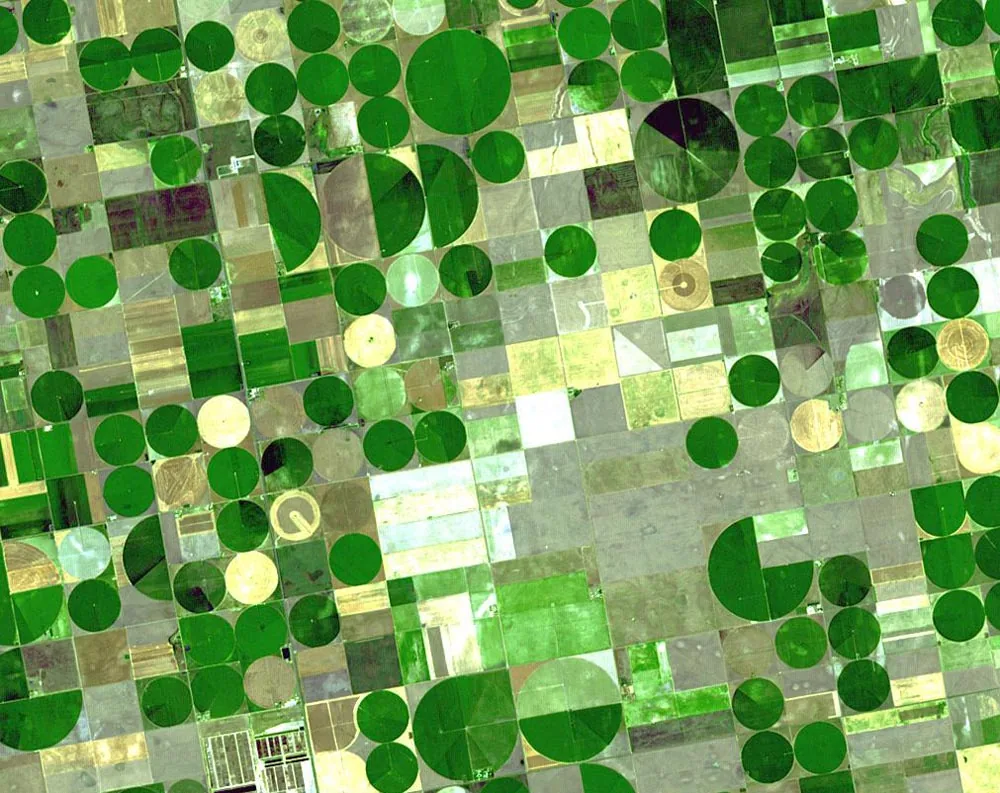
Water From Air
Ancient + Cutting-Edge Water Independence
US Bilateral Relations
What Each Relationship Actually Is
Deep Time
Thirty-Six Thousand Years on One Axis
What the Words Meant
The Etymology Decoder
Every dated mark in the Library on one axis, years ago, log scale. Filled: measured by an instrument. Square: a text. Hollow: a tradition. Tap a mark to open it.
No durations are drawn. The yuga lengths, the Five Suns' year-counts and the Turin Canon's divine reigns are traditions, and a span on an axis would read as a measurement. Only claimed points appear, each styled by what it rests on.
- 38.4k years ago(36,420 BCE)Turin King List — divine rule beginsTraditionOne reading of the papyrus's pre-dynastic reigns. The papyrus is real; the sum is an interpretation.Source marks this "speculative". Plotted at the claimed date so the claim can be seen, not to endorse it.
- 12.9k years ago(10,900 BCE)Younger Dryas onsetInstrumentAbrupt return to near-glacial conditions, recorded in Greenland ice cores; about 12,900 years ago.The catastrophe layer the underground traditions are read against. The date is measured; the readings are not.
- 12.5k years ago(10,500 BCE)Sphinx — proposed Age-of-Leo dateTraditionBauval and Hancock's proposal from the Orion/Leo correlation. Conventional date is c. 2500 BCE.Debated. Schoch's water-erosion argument is the peer-reviewed thread; the correlation itself is not.
- 11.6k years ago(9,600 BCE)Göbekli TepeInstrumentMonumental enclosures raised before agriculture; radiocarbon-dated.
- 5.1k years ago(3,102 BCE)Kali Yuga beginsTextThe date the Surya Siddhanta and Aryabhata compute for the start of the present age.A text-computed date, placed as text. The yuga DURATIONS are not plotted; a span would read as a measurement.
- 5.1k years ago(3,100 BCE)Unification of EgyptInstrumentBeginning of dynastic history; the Narmer Palette.
- 4.8k years ago(2,787 BCE)Thuban is the pole starInstrumentPrecession puts Alpha Draconis at the pole during the pyramid age. Computed from the 25,772-year cycle.
- 4.6k years ago(2,560 BCE)Great Pyramid completedInstrumentConventional completion date, Fourth Dynasty.
- 2.2k years ago(129 BCE)Hipparchus records precessionTextFirst documented Western observation of the equinoxes' drift.
- 1k years ago(1025 CE)Guido of Arezzo's staffTextSolmization and the four-line staff; training time cut, by his own account, from ten years to one or two.
- 701 years ago(1325 CE)Tenochtitlan foundedTextThe Mexica settle the island. Date from the Mexica annals.
- 596 years ago(1430 CE)The Mexica burn their historiesTextUnder Itzcoatl; the reason recorded by Sahagún's informants. Year approximate.No source gives the year; placed early in the reign the sources name.
- 519 years ago(1507 CE)The last New FireTextDay 8 Reed, year 2 Reed. The next was due in 1559.
- 456 years ago(1570 CE)The Roman Missal keeps four sequencesTextA repertory in the thousands reduced to four authorized texts.
- 449 years ago(1577 CE)Florentine Codex completedTextSahagún's Nahua informants; the closest thing to the Mexica's own account.
- 339 years ago(1687 CE)Newton explains precessionTextThe physical cause of the drift Hipparchus saw.
- 236 years ago(1790 CE)The Sun Stone comes upTextDecember 17, under the Zócalo. Coatlicue in August of the same year.
- 226 years ago(1800 CE)12-tone equal temperament dominantTextThe trade with a receipt: modulation bought with the major third 13.7 cents sharp.Adoption was gradual; 1800 is the conventional marker.
- 113 years ago(1913 CE)Federal Reserve ActTextWhere the Monetary Century set below begins.
- 48 years ago(1978 CE)Templo Mayor foundTextFebruary 21; electric-company workers laying cable.
Organizations, symbols and documents read through the UET lens, each with an evidence tier
The encyclopedia entries that have a full article, listed in one place
Etymology Decoder: what the words for our institutions meant before they meant what they mean now
The ENOCH historical research database: patterns documented across civilizations
The Mexica through their own record: six entries, every claim tiered
I Ching, Ifá, runes, tarot, the 260-day count and the yantra, in their own terms
What the Vedic texts say about the limits of the receiver, with each claim’s falsifier
Sound made visible, on solved physics: a plate simulator and the arithmetic to check it
Forty-two subterranean traditions across thirty-five cultures
Eight civilizations that solved scarcity, and the modern rediscovery
How thirty cultures treat what the West calls menopause
Fifteen dated events, 1948 to now, each tiered and sourced
Vocabulary compression across languages: what happens to thought when the words go
Words whose meanings were narrowed, and what was lost with them
Founding cycles, symbolism and sacred timing: twelve assets read through seven lenses
Sixteen funding lines traced from In-Q-Tel and DARPA into the tools you use
Deep Timeline: 36,000 years on a years-ago scale, every mark labelled instrument, text or tradition, then the Monetary Century
GeoChron: empire boundaries, sea levels and cycles on an interactive 22,000-year map
The Big Picture: six accounts of how we got here, drawn on the same axis to watch them converge
Cosmic Cycles: the astronomical context of the present moment, measured cycles only
What each relationship actually is: treaties, dependencies, and the ruptures that revealed the terms, both ways
A structural reading, 1963 to present, labelled as an argument with its falsifiers; the country record is under bilateral relations
Networks: people, families and institutions and how they connect
Entity relationships traced across the archive, the encyclopedia and named researchers
The seven domains of institutional power, with the etymology and the archive entries that bear on each
Historiography Lab: competing narratives of the same event set side by side
Comparative Eschatology: what each tradition says ends, and how, with equal scrutiny
A comparative religion research archive, open access, document by document
Solutions and counter-forces: for each driver headed toward crisis, what is working at scale
Research Lab: live statistical tests, with the refutations kept
Every registered test, its result, and the audits that withdrew our own published figures
Primary papers and analysis developed through the UET method
Convergent Verification Model: the same claim run through systems with opposing training biases
Research Sources: the institutional data providers and peer-reviewed sources behind the Library
The core UET research and the scholars it rests on
Alexandria Protocol: the written archive, hashed and anchored on Base so it can be checked against the chain
Meta-Framework: the architecture behind UET analysis. In preparation; the page says so
Unified Search across the archive, the dictionary and the control systems
Cross-cultural questions answered from the Library’s own archive, by an AI that cites it
Frequency, PHI and gematria calculators; the cultural layer, labelled as such
A junior analyst’s exercise on the map of the United States
Intel Hub: the public OSINT sources the Library draws on, with links
A 3D interface to the archive on a golden spiral; needs WebGL and a desktop
A first-person reading room across four knowledge domains; needs WebGL and a desktop
The oldest weapon on Earth is the hoarding of knowledge.